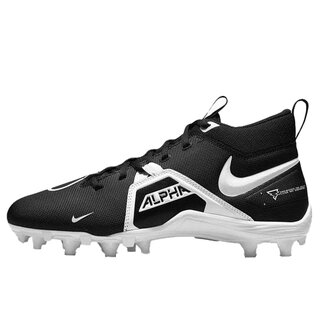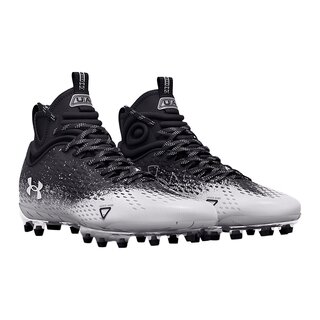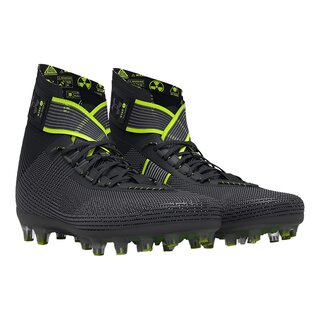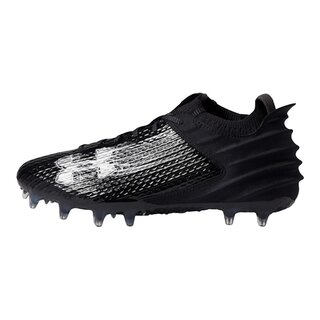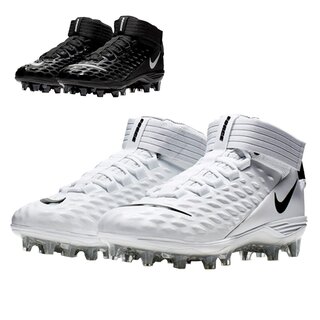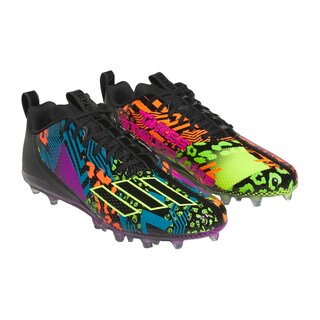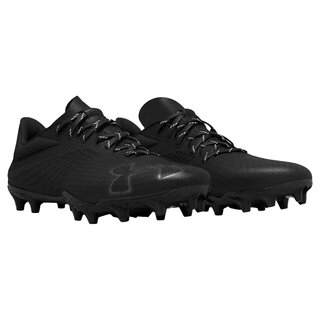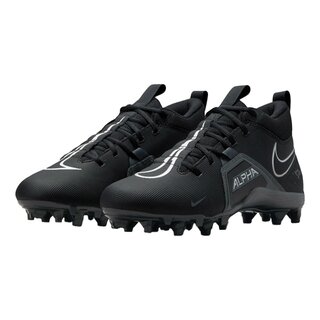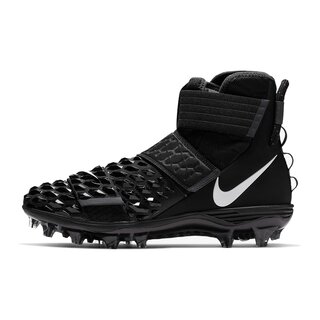


Football Grass Shoes

Football cleats for grass are built for traction where it matters: clean starts, sharp cuts and stable footing on natural turf. Choose your grass setup below and stay confident from the first rep.

Back to: Football shoes · Need versatility? All-terrain · Need more room? Extra wide

Note: Below the offers you’ll find more information, tips & FAQs about this category – ideal if you’re still unsure which option to choose.


Items 1 - 20 of 20

Speed outsole on grass – for players who win with the first step

A good speed outsole gives you exactly what skill players need on grass: fast acceleration, clean direction changes, and reliable grip at the break. Especially on natural grass, the right traction decides whether you stick your cut and separate — or slide and lose your timing. That’s why speed cleats are a go-to option when your game is built on tempo, reactivity and sharp footwork.

Quick Links: All football cleats  |  Moulded outsole  |  Extra wide (wide fit)  |  Cleat accessories & care

What a speed outsole does for your game

  • Explosive takeoff: more bite on the first step — especially out of stance or off the snap.
  • Control on cuts: stable front + lateral grip supports your plant and quick re-direction.
  • Crisper breaks: less slipping on stop-and-go moves and hard route breaks.
  • Light, reactive feel: speed builds are typically designed around agility and fast feet.

Who speed outsoles are ideal for

  • Wide receivers / defensive backs: hard cuts, fast releases, stable footing at the break.
  • Running backs: burst through the gap, quick stop-and-go, sharp cuts in traffic.
  • Quarterbacks: a stable plant foot for throws and more control when scrambling.
  • Flag football on grass: if you want maximum agility (always check your league/tournament rules).

Grass is not always the same: choose smart

Firm/dry natural grass

This is where speed outsoles shine: quick response, strong traction on cuts, and a direct feel underfoot — perfect for tempo football.

Wet/soft, slippery or muddy fields

If the field is very soft or wet, speed cleats can hit their limits depending on the exact model — not because speed is “bad”, but because the surface demands more hold. In those conditions, it can make sense to also check the moulded outsole: often a safer practice + game-day option for many teams.

What to look for when buying

  • Fit: the cleat must sit locked-in without pinching — otherwise you lose control on cuts.
  • Traction: speed outsoles are built for fast direction changes; you want stable grip at the front and on the sides.
  • Weight/feel: lighter often feels more reactive. If you play speed, you don’t want a “brick” on your foot.
  • Width/volume: if the sides feel tight, choose the right width instead of going longer. Wide options: extra wide cleats.

Fit tips (so you don’t curse on game day)

  • Heel locked-in: your heel should not lift — heel slip steals power on takeoff.
  • Toe room: a little room is fine, but don’t size “too big” (sliding hurts cuts).
  • Game socks: try on with the socks you actually wear on game day.
  • Move test: squat + quick start + a cut — nothing should pinch or shift.
  • Break-in: wear new cleats in practice before the first game.

Care & durability

  • After grass sessions: remove grass/dirt and let them air-dry (don’t “cook” them on a heater).
  • Outsole check: when the traction pattern gets visibly rounded, grip drops fast.
  • Rotation helps: if you practice a lot, rotating two pairs keeps both “fresh” longer.
  • When to replace? if you start slipping more often on cuts or the outsole looks worn.

FAQ – speed outsole football cleats (grass)

Are speed outsoles only for receivers?

No. They’re popular with skill positions, but anyone who plays with speed, fast cuts and reactivity benefits — especially RBs and QBs too.

Do speed cleats work in rain?

It depends on the field and the model. On very soft/wet grass, a more “all-round” option can be smarter — check the moulded outsole as well.

How tight should speed cleats fit?

Snug and stable, without pressure points. Numbness = too tight. Heel lift = too big or wrong fit.

What matters more: weight or support?

Reactive feel is great for speed players — but support is mandatory. If your foot “swims” on cuts, the lightest cleat won’t help. Prioritize fit and stability first, then weight.

What if I’m between sizes?

If you want maximum control, many players prefer the tighter size — as long as nothing pinches and toes aren’t cramped. For a wide forefoot, choose wide fit instead of going longer.

Pick your grass speed cleats

If your game is built on tempo, cuts and fast direction changes, speed outsole is your thing. For the full overview, go back here: American football cleats.