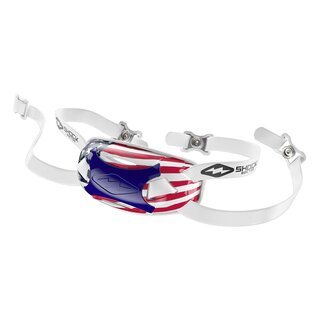
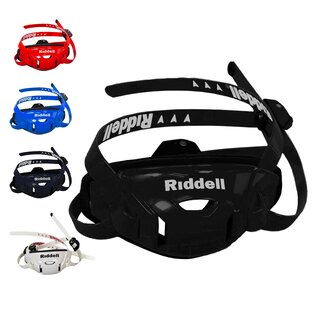
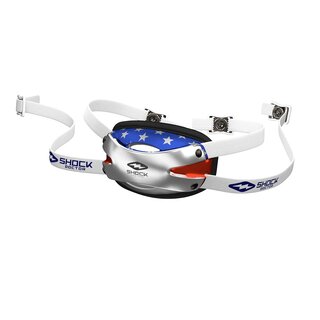
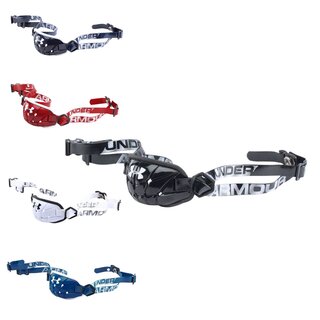
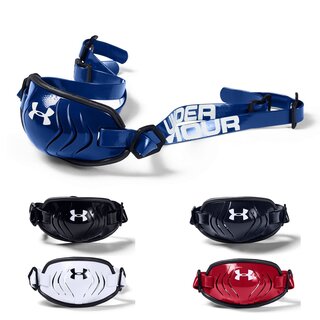
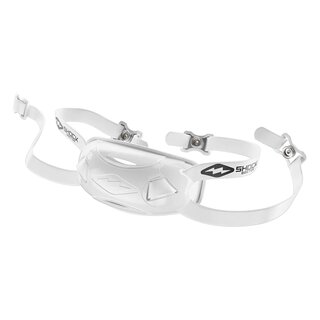
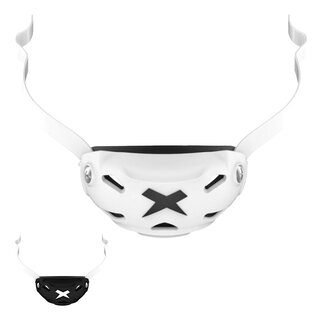
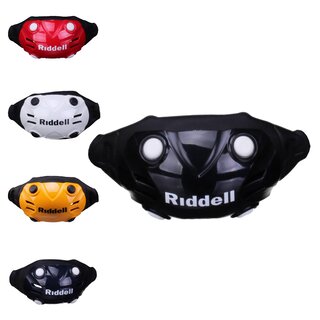
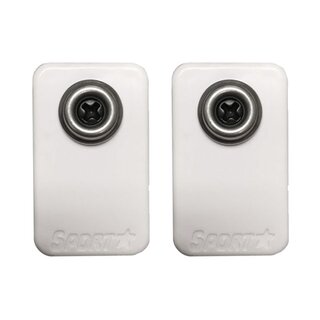
Chinstrap
Chinstraps keep your helmet locked in: stable fit, less shifting and fewer distractions during contact. Choose between hard cup (more structure) and soft cup (more comfort) to match your setup and contact level.
Back to accessories: Football accessories · Helmet parts: helmet accessories
Note: Below the offers you’ll find more information, tips & FAQs about this category – ideal if you’re still unsure which option to choose.
Chinstraps for football helmets: small part, big impact
Your helmet can be top-tier – but if the chin strap doesn’t fit, your whole setup won’t feel stable. A good football chinstrap keeps your helmet from shifting on contact, reduces distractions, and lets you focus on the next snap.
Why your chinstrap matters
- Helmet stays locked in: less wobble and less shifting – especially during hits, blocks and tackles.
- More comfort in-game: when nothing rubs or pinches, you stay focused.
- Cleaner overall fit: the right chinstrap supports proper helmet fit (without constant re-adjusting).
Hard Cup vs. Soft Cup: what fits your game?
- Hard Cup: more structure and a more “locked-in” feel – popular for higher contact and players who want maximum stability.
- Soft Cup: softer, more comfortable, and often nicer for long sessions – perfect if you prioritize comfort or get pressure spots quickly.
Attachment systems: Snap vs. Cam-Loc
- Snap: classic, quick, works with many helmets – a strong all-round option.
- Cam-Loc: more precise and secure – especially interesting when your helmet system supports it.
Important: always check compatibility with your helmet (mounting points, snaps, clips, Cam-Loc style hardware). If you’re unsure, note your helmet model first – then picking the right strap gets much easier.
10-second fit check
- Helmet fit comes first: the chinstrap is the lock – not a fix for the wrong helmet size.
- Centered & flat: the cup sits centered on your chin, not twisted to one side.
- Secure, not brutal: stable hold without jaw pain or restricted breathing.
- No shifting in contact: if your helmet “walks” during drills, the strap is often too loose or not tuned correctly.
Setup tip: Chinstrap + helmet accessories
If you want to dial in helmet fit even more, it’s worth checking helmet accessories – for comfort and hygiene add-ons that make your setup not “bigger”, just better.
Care & durability
- Check regularly: cracks, stretched straps, broken clips = replace early.
- Air it out after practice: less odor, longer lifespan.
- Clean smart: wipe/wash gently depending on material, then let it fully air-dry.
FAQ – Chin Straps
How tight should a chinstrap be?
Tight enough to keep the helmet stable – but without pain. You should be able to speak and breathe normally. If you get jaw pain, headaches or numbness, it’s often too tight or the cup isn’t centered properly. The goal: a calm helmet fit without fighting the strap.
How do I know my chinstrap is too loose?
Common signs: the helmet rocks when you shake your head, lifts off your forehead when you pull up on the facemask, or shifts noticeably on contact. If you keep re-adjusting after every play, it’s usually not tight enough or not set evenly.
How do I know my chinstrap is too tight?
Jaw/chin pressure pain, headaches, red pressure marks, or the feeling that you can’t breathe or talk comfortably. Re-center the cup, adjust straps evenly, and consider switching cup type (hard vs. soft) if pressure points persist.
Hard cup or soft cup – which is better?
It depends on your contact level and comfort preference:
- Hard cup: typically feels more structured and locked in.
- Soft cup: typically feels more flexible and comfortable.
“Better” is what stays stable for you without creating hot spots.
Will every chinstrap fit every helmet?
Not always. It depends on the mounting system (snap, Cam-Loc or other quick-release systems – model dependent). Check product details and match the strap to your helmet system for a clean, secure install.
How can I tell what mounting system my helmet uses?
Look at the attachment points: classic snaps/buttons, special clips, or a Cam-Loc-style mechanism. Your helmet product page or manufacturer guide often helps too. If you’re unsure, a photo of the mounting point makes it easy to identify.
How do I adjust my chinstrap correctly?
Rule of thumb: centered and symmetrical. Put the helmet on, close the strap under the chin, then tighten evenly so the helmet doesn’t lift off your forehead when you pull up on the facemask. Make sure left/right tension matches and the cup doesn’t twist.
Should the chinstrap go over or under the mouthguard strap?
That depends on your setup. The key is that nothing pinches, rubs, or affects chinstrap positioning. If you use a strapped mouthguard, keep the strap routed cleanly so it doesn’t get trapped between cup and chin.
My helmet still shifts even with a tight chinstrap – why?
Then overall helmet fit is usually the issue: sizing, padding/liner, or helmet positioning. Worn straps or hardware can also cause problems. First check: helmet sits level, padding contacts evenly, hardware is intact. If that’s good, a different chinstrap style can help (helmet-system dependent).
When should I replace my chinstrap?
When straps stretch out, stitching fails, the cup cracks, or hardware no longer holds securely. If you can’t get a stable fit even with proper adjustment, replacement is often the quickest fix. Chinstraps are wear items – condition beats age.
Can I clean my chinstrap?
Yes. Usually you can wipe it with mild cleaner and lukewarm water, then let it fully air-dry. Avoid heat unless the manufacturer explicitly allows it. For padded/lining materials, follow care notes in the product details.
Pick your chinstrap & upgrade your helmet fit
Choose the chinstrap that matches your game – stable in contact, comfortable in practice, and compatible with your helmet. If you want to complete your setup, helmet accessories are almost always worth it.