Ball Accessories
Arm sleeves are a comfort and performance upgrade: less rubbing, optional compression feel and (depending on the model) UV protection. Choose your fit and length and keep your setup clean through every rep.
Back to accessories: Football accessories · Match it with: wristbands
Note: Below the offers you’ll find more information, tips & FAQs about this category – ideal if you’re still unsure which option to choose.
Ball Accessories: More Control, Less Stress, Longer Lifespan
A football performs only as well as it’s treated. The right air pressure, clean storage, and a bit of care decide whether the ball feels consistent in practice and games. With ball accessories, you complete your setup — whether you’re a player, coach, or collector.
What you’ll find here (and what it’s actually good for)
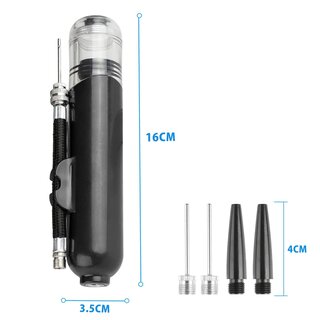
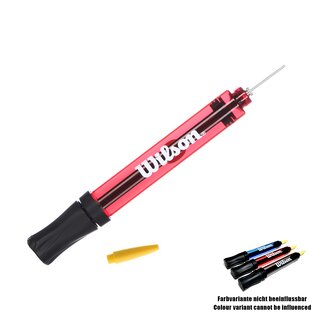
- Ball pumps & needles: so your ball always has the right pressure — important for grip feel, flight, and handling.
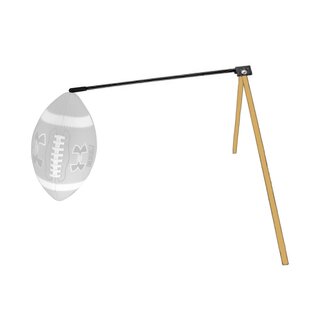
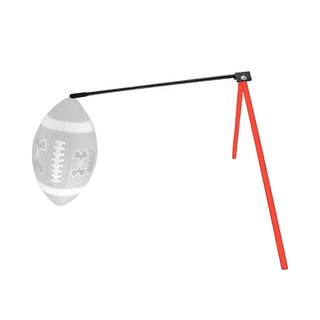
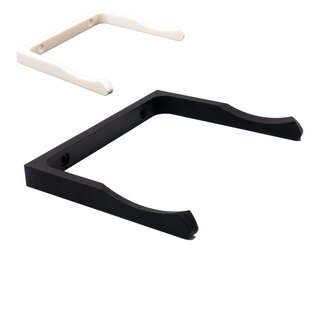
- Ball holders / displays: for practice, the team room, or a collector piece — the ball sits cleanly, doesn’t roll away, and looks great.
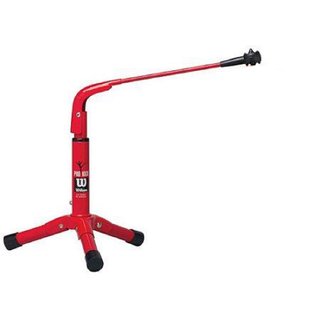
- Kicking tees: for stable ball placement on kickoffs — depending on style and surface.
- Ball bags / carry nets: organization, faster transport, less gear chaos.
- Ball care / conditioner: for leather balls and (depending on the product) composite/synthetic balls — to help the surface feel grippy and not get “slick” (always follow product instructions).
Quick guide: which accessories do you need?
- You train regularly? Pump + spare needles + a transport solution (net/bag) are essential.
- You kick (K/P or special teams)? A solid tee setup saves time and adds consistency.
- You’re a coach / team manager? Transport + organization + quick pressure checks are the biggest time- and stress-savers.
- You collect footballs? Ball holders/displays + clean storage make the difference.
Ball pumps: the most important “small” purchase
- Consistency: a ball that always feels similar is easier to throw and catch.
- Practice vs game day: many teams check pressure before every session — takes seconds, prevents headaches.
- Pro tip: pack spare needles — when you need them, you need them immediately.
Ball care & storage: keep your ball good for longer
- After practice: wipe off dirt, store dry — don’t forget it wet in your bag.
- Avoid extreme heat: a hot car in summer is rough on material and shape.
- Keep the feel grippy: care products can help when a ball starts feeling too slick (always follow the product instructions).
- Organization matters: with a bag/net, everything stays together — especially for team equipment.
Who benefits most from ball accessories?
- Quarterbacks: consistent grip feel and a familiar ball feel are gold.
- Centers: in wet or cold conditions, clean handling and a well-maintained ball help.
- Special teams: tee setup + ball condition affect routine and timing.
- Coaches/teams: transport, organization, and quick pressure checks save time in everyday practice.
FAQ – Ball Accessories in American Football
What counts as ball accessories?
Ball accessories are the tools that help you manage your football day to day: checking pressure (pump/needles), storing and transporting cleanly (bags/nets), displaying (holders/displays), and running a ball care/grip routine (for example brushes, wax, conditioner, or tack spray — depending on the product).
What 3 items are the best starters for most players?
If you want a solid ball setup, these basics are a strong starting point:
- Pressure check: pump + the right needle(s) (based on ball/valve notes).
- Keep it clean: a quick care routine (for example a brush and/or a suitable care/grip product).
- Transport/storage: a bag or net so the ball doesn’t get unnecessarily beat up.
How important is correct air pressure in a football?
Air pressure affects feel, handling, and how the ball feels when throwing and catching. The key is following your ball manufacturer’s guidance and any team/league requirements. Too hard or too soft can quickly feel “off.”
Which needle should I use — and what matters when inflating?
Use a proper ball needle and work cleanly so you don’t stress the valve or bladder. Quick tip: lightly moisten the needle and insert it straight (don’t force it at an angle). If you’re unsure, check the product notes for your pump/needles.
What’s the difference between wax, tack spray, and conditioner?
Different approaches for feel/grip/care (product-dependent):
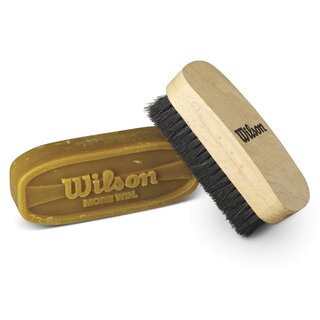
- Wax/prep wax: applied in a thin layer to support ball feel/handling.
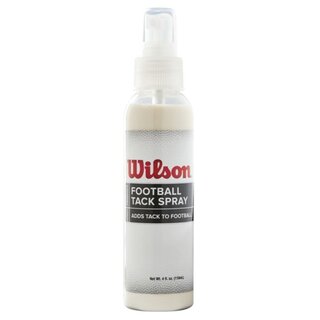
- Tack spray: quick spray application for a grippier feel (depending on the ball surface).
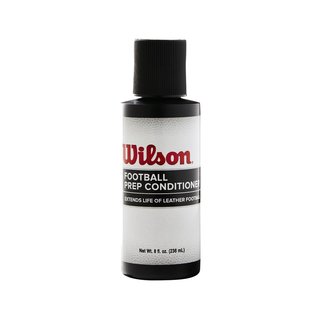
- Conditioner/prep kits: combine care and prep routine (often aimed at leather balls).
Important: always check which ball material the product is made for (leather vs composite/synthetic).
Do ball care products work on composite/synthetic footballs?
It’s product-dependent. Some products are clearly designed for leather balls, others may also work on composite/synthetic surfaces. Always check the product description so you don’t use something that could negatively affect the surface.
What does a quick ball care routine (3–5 minutes) look like?
A simple routine many players use:
- Wipe the ball dry (remove dirt/grass).
- Clean with a suitable brush (don’t scrub aggressively).
- Apply a care/grip product in a thin layer (if intended) and let it work briefly as instructed.
This helps keep ball feel more consistent — without turning it into a science project.
What is a football brush set good for?
Brushes help remove dirt from the surface and keep your care routine clean — especially for leather footballs. Depending on the set, you can do a quick pass or more detailed cleaning after practice/games.
Ball holder, display stand, or wall mount — what should I choose?
Depends on where the ball will live:
- Display stand (desk/shelf): clean for a showcase, office, or team room.
- Wall mount: if you want a space-saving display.
- Wood/trophy-style stand: if you want an “award” look for game balls or signature balls.
How should I store footballs so they stay good longer?
Rules that almost always help: store dry, avoid extreme heat (like a hot car), don’t leave the ball compressed in a bag for long periods, and don’t let it deform in a bad position for weeks. If you’re collecting, use a display/stand so the ball rests cleanly.
Net or bag — which is better for a team?
Depends on your everyday workflow: nets are often quick and practical for practice; bags often provide more protection and organization. If you transport multiple balls regularly, durability and handling are what matter most.
How many footballs fit in a ball bag?
Model-dependent. Some bags are made to carry multiple footballs (for example team/duffle-style solutions). Check the product details — capacity and measurements are usually listed.
Kicking tee or kicking holder — what do I need?
If you train kickoffs or kicking drills, a tee is often the standard. A kicking holder/placeholder is useful if you want repeatable field goal drills and a more realistic holder feel. Which is better depends on your drill setup.
Can I always use care/grip products in games?
That can be rulebook-dependent. Some leagues have rules about what can be applied to the ball (and when). For practice, ball care is usually straightforward; for games, check your rulebook or confirm with your coach.
What are common mistakes with ball accessories?
The classics:
- Playing with the wrong pressure and wondering why the ball feels weird.
- Using care products without checking material compatibility (leather vs composite).
- Leaving the ball wet in a bag (odor/material stress).
- Transporting without protection/organization — unnecessary rubbing, scuffs, and wear.
Complete your ball setup now
Get the accessories that actually help you day to day: check pressure, keep the ball clean, transport and store it properly — done. For practice and team organization, it’s also worth checking coaching.