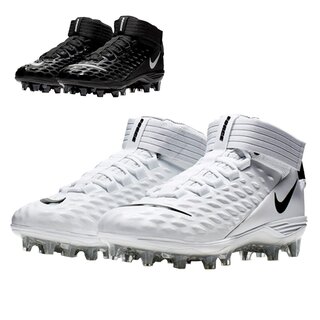
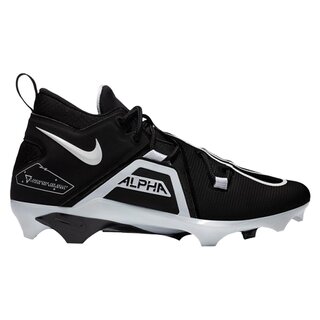
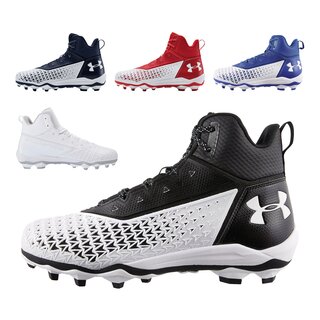
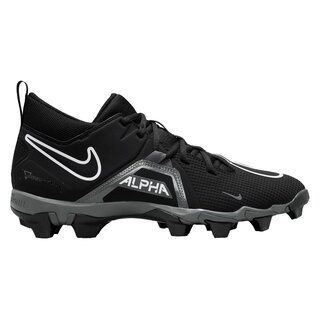
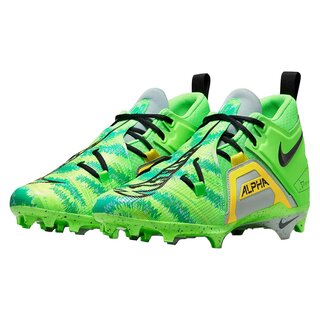
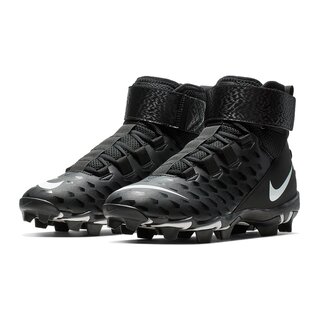
Wide Football Shoes

Extra wide football shoes are made for players who need more room in the forefoot. Less pressure, fewer hot spots and a more stable feel — especially during long practices, hard cuts and contact.

Back to: Football shoes · By surface: for grass · all-terrain

Note: Below the offers you’ll find more information, tips & FAQs about this category – ideal if you’re still unsure which option to choose.


Items 1 - 4 of 4

Extra Wide American Football Cleats – when your shoes don’t squeeze, you play freer

Most players notice it too late: it’s often not the length that ruins comfort — it’s width in the forefoot. If a cleat pinches on the sides, you don’t just lose comfort, you lose control on plant, cut and drive. Extra wide football cleats (wide fit) give your foot the room it needs: a more stable base, better weight distribution, and less stress across a full practice or four quarters.

Why “extra wide” can change your on-field performance

  • More control on cuts: when the forefoot isn’t squeezed, you can roll through the step cleaner and change direction faster.
  • More stability in contact: less side pressure often means less “wobble” in the shoe during blocks, tackles and traffic.
  • Fewer blisters & hot spots: more space where it usually rubs (ball of foot, outside edge, little toe area).
  • More consistent feel: especially in training-heavy weeks — pressure points build up rep after rep.

Who benefits most from extra wide cleats?

  • Wide forefoot / high instep: if standard cleats pinch on the sides or feel “too tight” across the top.
  • Line & LB: lots of stance work + contact — comfort and stability matter even more.
  • TE/RB: stop-and-go, cuts and traffic — you want lockdown support without pressure points.
  • Players using insoles: orthotics often need more volume inside the shoe (width + height).

How to tell you actually need “extra wide”

If you recognize these signs, a wide fit is usually the right move:

  • Tingling or numbness in the forefoot after a short time
  • Pressure marks / blisters on the ball of the foot or outside edge
  • You have to lace extremely loose just to make it bearable
  • You have “enough length” — but the width kills comfort
  • The upper visibly bulges on the sides or seams press into your foot

Fit guide: get the right size (without heel slip)

1) Heel locked-in is non-negotiable

Extra wide doesn’t mean sloppy. Your heel should not lift — otherwise you lose power on takeoff and stability in contact.

2) Choose width, not extra length

The classic mistake: going up a size gives you more length — and then the heel slips. If the shoe is tight on the sides, more width is almost always better than “too long”.

3) Test with your real game setup

  • Socks: try on with the same socks you wear on game day.
  • Tape/braces: if you tape or wear ankle supports, include them in the test.
  • Move test: squat + 2–3 quick starts + a cut — nothing should pinch or slide.

Which outsole fits your game?

Wide fit gives you room — the outsole gives you traction. Pick based on your surface and play style:

  • Speed outsole (grass): for max agility and fast direction changes – shop speed outsole.
  • Moulded (grass): the durable all-rounder for practice & game day, stable and reliable – shop moulded outsole.

Real talk: if you create a lot of drive through the forefoot (line, LB, power runs), a stable base is often more valuable than chasing the last bit of “speed pop”.

Extra wide cleats & performance: common misconceptions

“Wider = less support”?

Usually the opposite. When your foot isn’t squeezed, it often sits more stable. Support comes from the right shape — not from pain.

“Wide fit is only for linemen”?

Nope. Any player with a wide foot or pressure points benefits — skill or trenches. A WR who thinks “ouch” on every cut is simply slower.

“Insoles don’t work in football cleats”?

They often do — but you need enough volume inside the shoe. Wide fit can help so insoles don’t make everything feel cramped (model-dependent).

Care & handling: keep wide cleats stable longer

  • Dry after practice: pull the insole, open the shoe, air it out (moisture stresses materials).
  • Clean the studs/outsole: built-up dirt makes traction inconsistent and speeds up wear.
  • Avoid high heat: don’t “cook” them on a heater — air-dry is safer for shape and materials.
  • Rotation helps: if you practice a lot, two pairs in rotation stay “fresh” longer.

FAQ – Extra Wide Football Cleats

Should I just size up?

Usually not. Sizing up often only adds length — and that can make your heel slip. If the problem is side pressure, more width is almost always the better solution than a shoe that’s too long.

Are extra wide cleats only for linemen?

No. Anyone with a wider foot, a higher instep, or recurring pressure points can benefit — skill or line. A comfortable, dialed-in fit helps you stay in control inside the cleat.

Do I lose support because the cleat is wider?

Typically no — as long as the fit is correct. When the width matches your foot, your foot can actually feel more stable because it’s not being squeezed sideways. Key checks: heel locked in, forefoot/ball area free of pressure points, and no unnecessary slop.

How can I tell the fit is right when trying them on?

Your ball/forefoot area should feel smooth with no side pressure. Your heel shouldn’t slip. Do a quick move test:

  • squat
  • quick first step
  • hard cut/change of direction

If you feel pinching, shifting, or your toes hit the front, size/width isn’t dialed yet.

Which outsole is better: Speed or Moulded?

It depends on your field and use. Speed is often chosen for agility and quick cuts on grass, while Moulded is a durable all-around option for lots of reps. If you’re unsure, moulded is a common “safe pick” for practice + game day — but always match your cleats to your surface and league rules.

Choose extra wide cleats and play without pressure points

If you’re done with hot spots and want a cleat that finally feels right, wide fit is your fix. For the full overview of options, head here: American football cleats.