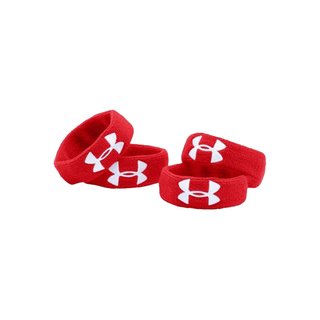
Wristbands

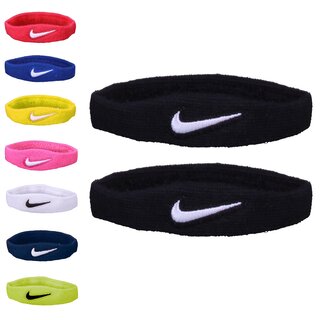
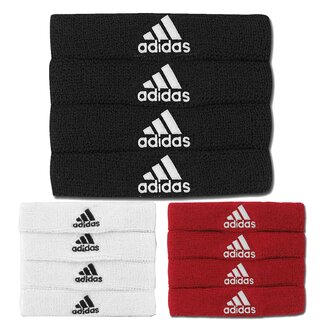
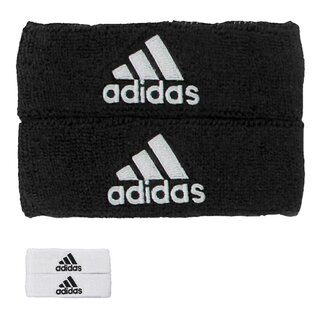
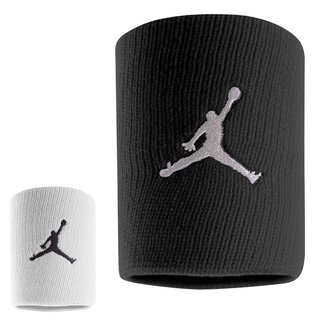
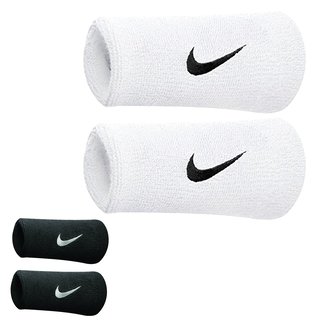
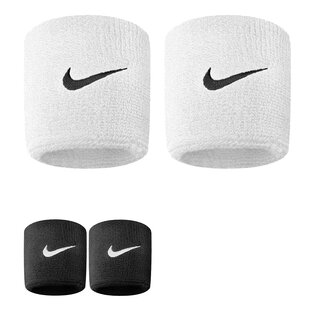
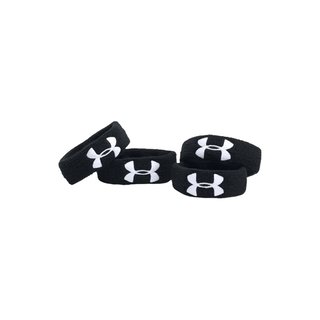
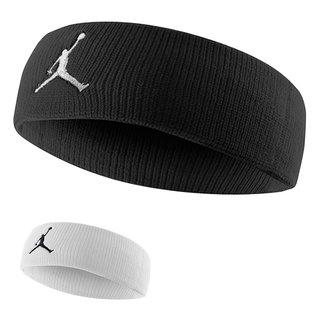
Wristbands help you manage sweat fast: drier hands, more consistent grip and a clean game-day look. Choose wrist sweatbands or bicep bands depending on how you play and how much you sweat.

Back to accessories: Football accessories · Match it with: arm sleeves

Note: Below the offers you’ll find more information, tips & FAQs about this category – ideal if you’re still unsure which option to choose.


Items 1 - 4 of 4

Wristbands in Football: Stay Dry, Keep Your Grip, Play Focused

Sweat is normal in football — but slippery hands cost plays. Wristbands (sweatbands) help you manage moisture fast, keep your hands drier, and stay less distracted. On top of that, bicep bands can absorb sweat too and give your setup a clean, athletic look.

What does a good wristband do for you?

  • Less sweat on your hands: quick wipe, less “slippy” on catches/throws.
  • More consistent grip feel: especially in heat, long drives, and intense practice weeks.
  • Comfort: soft, flexible, and not annoying under gloves or sleeves.
  • Style & team look: clean and consistent — matches team colors or your personal setup.

Wristband or bicep band — which one fits better?

  • Wristband: the classic at the wrist — perfect for quick wiping and cleaner ball handling.
  • Bicep band: sits on the upper arm — absorbs sweat and keeps the look clean. Many players wear both if they sweat a lot.

Which positions benefit most?

  • QB: drier hands = cleaner release, less slip in wet weather.
  • WR/DB: ball skills benefit from consistent handling — especially in heat.
  • RB: ball security — less sweat can make the ball feel more stable.
  • OL/DL/LB: contact + lots of reps — wristbands are an easy comfort upgrade (and they look great).

How to choose your wristband

  • Width: wider = more sweat absorption; narrower = lighter feel.
  • Material: absorbent and comfortable on skin — important for long sessions.
  • Fit: stable but not restrictive. If it slips, it’s usually too loose or the fabric is too “slick.”
  • Setup: easy to combine with arm sleeves — depending on how you like to wear it.

10-second fit check

  • Movement test: rotate your wrist, simulate catching/blocking — nothing should annoy you or slide.
  • Pressure check: no numbness, no deep marks — that usually means it’s too tight.
  • Sweat test: if you sweat heavily, choose a wider model or add a bicep band.

Care & durability

  • After practice: air it out — don’t leave it wet in your bag.
  • Washing: gentle cycle, follow the brand instructions — helps keep absorption strong.
  • Replace: if it stretches out or stops absorbing well, swap it out (especially for game day).

FAQ – Wristbands in American Football

What are wristbands used for in football?

Wristbands (sweatbands/armbands) are small but extremely practical accessories. Many players use them for sweat management to keep hands and forearms feeling cleaner, and as part of their game-day setup. Depending on the model, they can also work as a style or team element.

Wristbands vs wrist coach — what’s the difference?

A wristband is mainly a sweatband/accessory without a play window. A wrist coach (play coach) is a wrist band with window(s) for plays/info. Many players use both, but the function is clearly different.

Why do so many players wear wristbands?

Because it gets practical fast: sweat can run into gloves, feel annoying on the forearm, or mess with ball handling. A wristband can help “catch” sweat and gives many players a more stable, cleaner feel at the wrist.

Which length makes sense (short, medium, long)?

It’s preference — and depends on how much sweat management you want:

  • Short: minimal, light, great if you mainly want wrist feel.
  • Medium: all-rounder and a common standard.
  • Long: more forearm coverage, popular in heat or for heavy sweaters.
One wristband or two?

Many players wear two for symmetry, look, and because you have both sides ready. One can be enough too if you only want it on your catch hand or throwing arm. Pure preference.

Do wristbands affect catching or throwing?

Usually not when they fit correctly. Make sure they’re not too bulky, don’t press into the glove edge, and aren’t so loose that they slide. If you throw/catch a lot, a clean, low-profile wristband often feels best.

Can I wear wristbands over or under arm sleeves?

Both work. The key is avoiding bunching or layers pushing each other around. Many players wear wristbands over the sleeve because it’s easier to adjust. Test it once in practice to see what stays most stable for you.

Which wristbands are best for quarterbacks?

Many QBs use wristbands to manage sweat on the forearm and keep ball handling cleaner. If you need plays on your arm, that’s a wrist coach job — wristbands are the comfort add-on.

Wristbands for receivers/DBs — do they help?

Many skill players use wristbands because wet forearms and gloves can be annoying — especially in heat or for heavy sweaters. It’s not a grip product, but a routine piece that can feel more “dialed in.”

Are wristbands allowed in every league?

Often yes, but some teams/leagues have uniform and color requirements. If you’re unsure, ask your coach or check the rulebook.

How do I wash and care for wristbands?

Follow the care label. Safe basics: let them dry after practice, wash regularly, and don’t leave them wet in your bag. A gentle cycle is often best. Fabric softener can affect some materials.

How often should I replace wristbands?

Not on a fixed schedule — replace based on condition. If they stretch out, smell bad even after washing, or stop fitting well, it’s time to swap them, especially if you train a lot.

What pairs well with wristbands?

Many players combine wristbands with arm sleeves for a clean arm setup or with a field towel for a cleaner glove/hand routine. Main rule: it shouldn’t distract you during play.

Choose your wristbands now

Build the setup that fits your game: wristbands for quick wiping, bicep bands for sweat control — or both for maximum control. For the full game-day look, eye black is a perfect add-on.