

Sport Tape

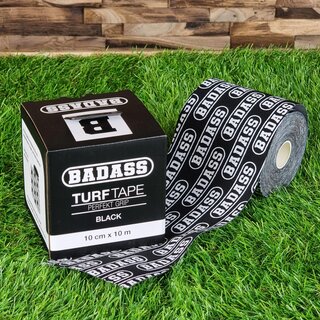
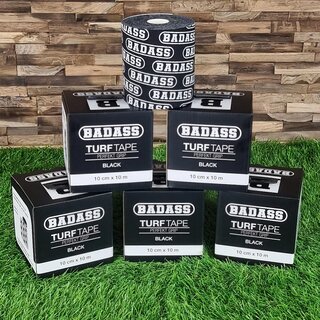
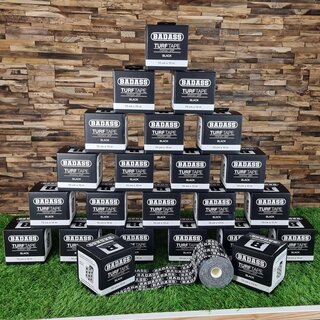
Sport tape is a football staple: stabilize, fix and protect — fast before practice or on game day. From wrists and fingers to ankles, the right tape helps keep your setup steady. For turf fields, turf tape is a smart pick against friction and turf burn.

Back to: sports medicine needs · Back to accessories: football accessories

Note: Below the offers you’ll find more information, tips & FAQs about this category – ideal if you’re still unsure which option to choose.


Items 1 - 3 of 3

Sports Tape in Football: Support for Real Reps

Football is load — which is why tape is a standard in many teams. Sports tape can help limit certain movements, add stability to joints, and improve your feel in contact. It doesn’t replace diagnosis or therapy — but it can be a strong game-day tool when used the right way.

What is sports tape most commonly used for?

  • Wrist: a more stable feel during contact, blocks, and ball handling.
  • Fingers: joint support — especially useful for catching and contact.
  • Ankle: extra stability for cuts and fast direction changes.
  • Securing gear: keeping pads/straps in position so nothing shifts or becomes distracting.

Turf tape: important on artificial turf

Artificial turf can be rough — especially on slides, tackles, or when your forearm scrapes the ground. Turf tape is made to reduce friction and protect the skin so turf burn doesn’t become a problem in the first place. It’s quick to apply and especially useful for skill players, DBs, and anyone who ends up “in space” a lot.

How to pick the right tape (quick guide)

  • Use case: fingers/details = narrower; wrist/ankle = wider.
  • Hold: if you take a lot of contact, you want tape that stays stable.
  • Handling: game-day-friendly options are the ones you can apply quickly.
  • For turf: pack turf tape if you play on artificial turf often.

Game-day tips: make tape hold better

  • Clean, dry skin: tape holds much better when you’re not sticking it on sweat or lotion.
  • Don’t cut off circulation: stability yes — but no numb fingers or painful pressure.
  • Movement test: move/cut briefly — if it pinches, re-apply.
  • Bring a backup: a spare roll in the bag saves stress when you need a quick fix.

Important note

Tape can support you, but it doesn’t replace medical evaluation. If you have strong pain, clear instability, numbness/tingling, or suspect an acute injury, get it checked by a professional.

FAQ – Sports Tape in American Football

What is sports tape used for in football?

Sports tape is a football classic because it’s quick and flexible to use. Many players use it to stabilize areas, limit certain movements, or simply run their game-day routine — for example on fingers, wrists, or ankles (depending on needs and technique).

Which areas are taped most often in football?

Common spots (depending on position and contact level):

  • Fingers: support and feel during contact and catches.
  • Wrist/thumb: when you want more stability in hand contact.
  • Ankle: a more secure feel for cuts and landings.
Sports tape or a brace — which is better?

It depends on your use. Tape is highly customizable and sits directly on the body, but it’s usually not reusable. Braces/supports are quicker to put on/off and can feel more comfortable, but they’re less “custom.” Many teams use both — depending on the day, load, and the issue.

Rigid or elastic — which tape do I need?

Depends on your goal:

  • Rigid (non-elastic): often used when you want more fixation/limitation.
  • Elastic (wrap): often feels more mobile and is commonly used as an overwrap or for lighter support.

Check the product details to see which type you’re choosing.

Can tape improve performance or prevent injuries?

Tape can give you a more stable feel and limit certain movements — that can help day to day. There’s no guarantee it will improve performance or prevent injuries. Technique, warm-up, smart training load, and proper equipment are still the foundation.

How tight should I wrap sports tape?

Tight enough to feel stable — not so tight that it cuts in or causes numbness/tingling. If fingers get cold, you feel strong pulsing, or you lose sensation: loosen/remove it immediately.

Do I need pre-wrap/underwrap under the tape?

It depends on your skin and your use. Many players use underwrap/pre-wrap for comfort or sensitive skin. With some tape setups, sticking directly to skin can hold better — then underwrap is optional. Key is that the final fit stays stable.

How do I remove tape without wrecking my skin?

Roll it off slowly — don’t rip it. If you’re sensitive, warm water can help loosen it, or you can use tape remover/adhesive remover (if available). Hair under tape can pull — that’s normal.

How long does tape last in practice or games?

It depends heavily on sweat, weather, contact, and tape type. Some tapes last a full session cleanly; others need re-taping. Practical tip: keep a spare roll in your bag — especially for game days or camps.

Can I use sports tape in rain or heavy sweat?

Yes — many players tape in wet conditions too. How well it holds depends on the tape and your skin. Clean, dry skin before taping almost always helps. In extreme conditions, an overwrap can help (model-dependent).

Which tape width should I choose?

Depends on the area: fingers are often taped with narrower strips; wrist/ankle often with wider tape. If you’re unsure, pick an all-round width and cut it narrower when needed.

Is sports tape suitable for youth players?

Generally yes — but it should be applied cleanly and not too tight. For youth players, correct and moderate taping beats “hard taping.” When in doubt, a coach or physio should show the proper method.

What else belongs in a simple tape kit?

Helpful add-ons for many players:

  • scissors or a tape cutter
  • pre-wrap/underwrap (optional)
  • spare roll(s) for practice/game day
  • a small towel to dry the skin before taping

If you want a simple upgrade for stability and routine, sports tape belongs in every football bag. And if you want to expand your support setup, you’ll find more here: sports medicine essentials.