

Belts

Football belts keep your game pants locked in place — especially during contact, sprints and cuts. Choose the right length and buckle style and avoid constant re-adjusting mid-drive.

Back to accessories: Football accessories · Pants overview: football pants


Items 1 - 6 of 6

Football Belts: Secure Fit for Game Pants & All-in-One Setups

A football belt is a small piece with a big impact: it keeps your pants from sliding, keeps your fit clean, and stops you from wasting plays on constant re-adjusting. In contact, on hard cuts, and in the huddle, you want one thing: setup locked in — mind free.

Why the right belt matters

  • No sliding: keeps game pants stable — even through tackles, blocks, and sprints.
  • More comfort: when fit is right, nothing digs in and you don’t have to keep tightening.
  • Clean look: pants sit right and your jersey stays clean — a game-day plus.

What types of football belts are there?

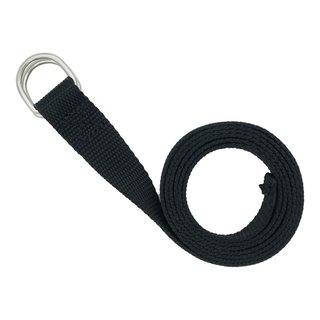
  • Standard belts: tough, classic, reliable — great for practice and games.
  • Elastic belts: a bit more flexible in feel — popular if you prioritize comfort and movement.
  • Solid-color (clean): matches almost any teamwear and looks “classic” on the field.
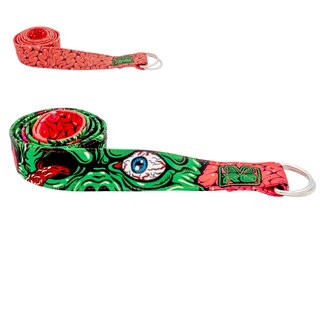
  • Graphic/design belts: if you want to show your style — same function, different look.

What to look for when buying

  • Length & adjustment: it should tighten cleanly without you being “maxed out.”
  • Buckle/closure: stable, reliable, quick to use — especially on game day.
  • Material: tough enough for contact, but not so stiff that it becomes annoying.
  • Compatibility with your pants: the belt must run smoothly through your game pants belt loops.

Which pants do you play in? (Quick guide)

  • Game pants without padding: a belt is usually essential to keep the pants stable. Shop pants without padding
  • Pants with integrated padding: a belt can still help lock everything in — especially with lots of movement. Shop pants with padding
  • All-in-one gamepants: if you want “put on & go,” a solid belt is the finishing touch for a stable setup. Shop all-in-one gamepants

10-second fit check

  • Put the pants on: run the belt through all loops (don’t shortcut it).
  • Tighten: stable, not restrictive — keep breathing and hip movement free.
  • Test: squat + quick first step — if the pants shift, the belt is too loose.

FAQ – Football Belts

What do I need a football belt for?

A football belt keeps your game pants stable — especially during sprints, cuts, and contact. If your pants slip or you constantly have to tighten them, a proper belt is often the quickest fix for a locked-in setup.

Do I always need a belt for game pants?

It depends on the pants. Many football pants are designed for belts and belt loops, but some can hold fine without a belt if the waistband fits perfectly. If you notice your pants shifting during movement, a belt is almost always a good idea.

Will a football belt fit any football pants?

Usually yes, as long as the pants have standard belt loops. What matters is belt width, material, and the loop width on your pants. If the loops are very narrow, an extra-wide belt can be awkward. When in doubt, check the product details for both pants and belt.

What length do I need?

Base it on your waist size and how tight your pants fit. You want enough length to go through all loops and close the D-rings cleanly. If you’re between sizes, a bit of extra length is usually better than “too short.”

How do I fasten a D-ring football belt correctly?

Quick and secure:

  • Thread the belt through all loops.
  • Pull the end through both D-rings.
  • Feed it back through the inner D-ring (this “locks” it).
  • Tighten until the pants are stable — without cutting in.
How tight should the belt be?

Tight enough that the pants don’t shift — not so tight that breathing is restricted or you get pressure points. You should be able to get into stance, sprint, and cut without feeling “cinched.”

My belt loosens during play — why?

Common causes:

  • not threaded correctly through the D-rings (missing the back-feed)
  • too much or too little length (bad “locking angle”)
  • belt not routed through all belt loops
  • material is stretched out/worn

If everything is correct and it still slips, a different belt width or model may work better.

Skinny or extra wide — which is better?

It’s preference and depends on your pants. Extra-wide belts can feel more stable for some players; narrower belts are often lighter and fit more loop types. The key is matching your pants loop width and avoiding pressure points.

Can I use the belt for practice too?

Yes — many players use the same belt for practice and games. Practice is actually where you’ll notice fastest if your pants stay stable, and you avoid constant re-tightening.

Is a football belt good for youth players?

Yes, as long as length and fit are correct. For very slim players, a shorter belt can be easier. Measure waist size and compare it to the belt length notes on the product page.

How do I clean and care for my football belt?

Usually: let it dry after use and wipe it down with a damp cloth if needed. If washing is necessary, follow the product care notes (materials vary by model) and avoid unnecessary heat.

What pairs well with a football belt for a complete setup?

A clean game-day combo is: matching game pants, a solid baselayer (underwear/compression), and socks/tubes. If you play in cold weather, a hand warmer is a popular add-on too.

Choose your belt & lock in your setup

Pick the football belt that matches your pants and your play style — and hit the field with a setup that stays put. If you still need the right pants: football pants / game pants.