

Sports Medicine Needs

Sports medicine needs help you stay stable through reps: tape, supports and recovery essentials for training and game day. Build a simple “ready-to-go” kit so small issues don’t turn into season problems.

Quick link: sport tape · Back to accessories: football accessories

Note: Below the offers you’ll find more information, tips & FAQs about this category – ideal if you’re still unsure which option to choose.


Items 1 - 16 of 16

Sports Medicine Essentials: Stay Stable, Train Smarter, Get Back to Being Ready

Football is contact, load, and lots of reps — which is exactly why tape, braces, and support gear belong in every bag. Sports medicine essentials help you manage common trouble spots, add stability where you need it, and keep your training, game, and recovery routine on track. Important: this is support for your setup — not a substitute for medical diagnosis or treatment.

What you’ll find here (and what it actually helps with)

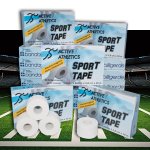
  • Tapes & wraps: for fixation, stability, support, and a clean game-day routine (for example fingers, wrist, ankle).
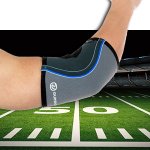
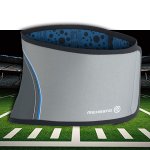
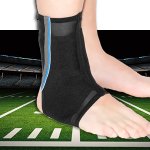
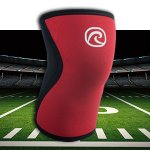
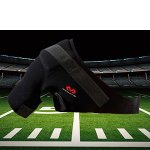
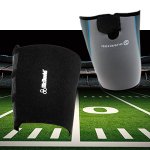
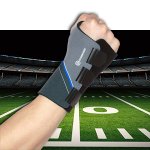
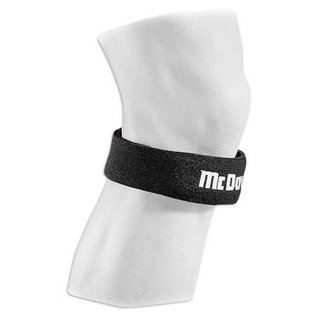
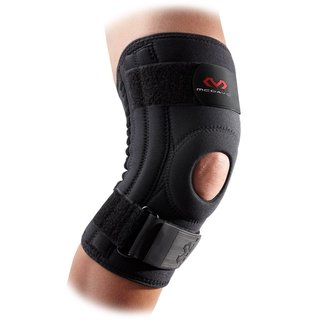
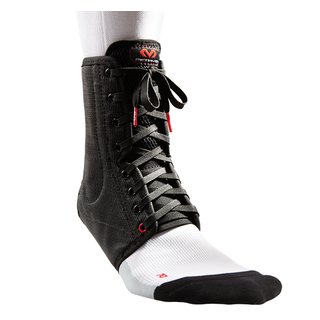
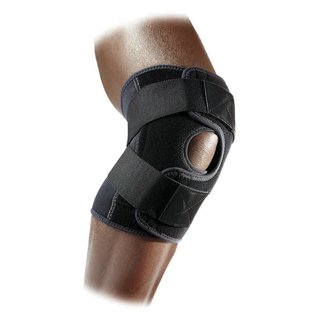
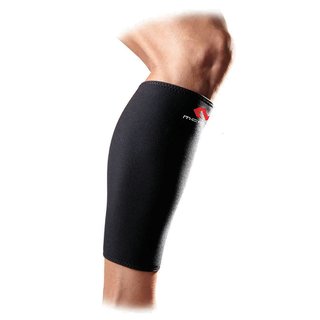
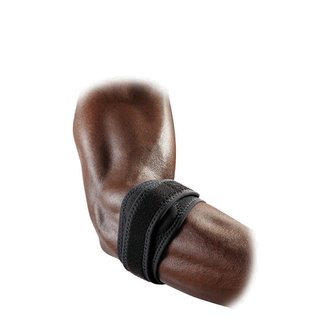
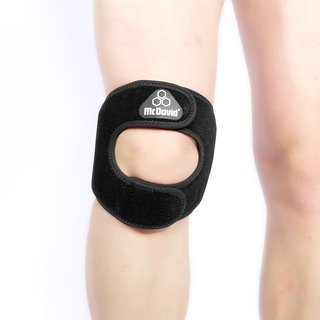
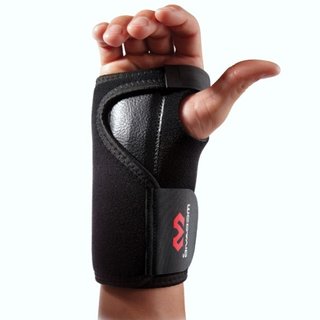
  • Braces & supports: depending on your needs for wrist, knee, elbow, or ankle — for a calmer, more stable feel in practice and games (model-dependent).
  • Recovery tools: for example rollers/tools to support your day-to-day routine and post-session recovery.

Quick guide: what’s worth it for you?

  • You want more stability in practice? Sports tape is the classic: fast, affordable, always in the bag.
  • You want targeted support without constant taping? Braces/supports are great when you want one spot to feel “quieter” and more controlled.
  • You want to take recovery seriously? Small tools can help you stay consistent — not just “survive” the season.

Common football use cases (real-life examples)

  • Hand/fingers: finger support, taping routines, or extra security on high-contact days (often for the catch hand).
  • Wrist: support for heavy contact (blocking/hand fighting) or when you want a more stable feel.
  • Ankle: support for cuts, quick direction changes, and landings (depending on history and needs).
  • Knee/elbow: braces for a more secure feel during high-rep weeks or when irritation shows up.
  • Recovery after tough weeks: roll, loosen up, build routine — so you stay trainable long term.

Important: support gear doesn’t replace a proper diagnosis

Sports medicine products can support you — but they don’t replace medical evaluation. If you have strong pain, numbness/tingling, clear instability, or suspect an acute injury, get it checked by a professional.

FAQ – Sports Medicine Essentials

What’s the most important “must-have” for football players?

For many players, the basic kit is simple: tape plus one support item for your “usual trouble spot” (often wrist or ankle). You can start here: Sports tape.

Brace or tape — which one is better?

Both have their place. Tape is highly flexible and easy to customize. Braces/supports are often more comfortable, quicker to put on, and reusable. Many players use both — depending on practice, position, contact level, and how their body feels that day.

Can support gear help for prevention?

Used correctly, support gear can help you manage load and feel more stable. But it doesn’t replace fundamentals like technique, warm-up, strength work, and smart training volume. If problems keep coming back, it’s worth getting the root cause checked and building a plan.

Which tape type do I need: flexible or rigid?

That depends on your goal. More rigid tape is often used when you want more fixation. More flexible wraps can feel better when you want to keep more mobility. Check the product details and choose what matches your balance of support vs movement.

How do I choose the right brace/support size?

Measure the area (for example wrist, knee, ankle) and match it to the product size chart. A support should feel stable without cutting in or causing numbness. If you’re between sizes, the best pick is usually the one that stays stable without pressure points.

Can I wear braces under pads or under my jersey?

Often yes — but it depends on thickness, shape, and your full setup. The key is avoiding rubbing, bunching, or anything that messes with your equipment fit. Test it in practice with full gear before using it in a game.

How do I care for tape, braces, and recovery tools?

Braces/supports: clean following the care label and let them dry fully. Tape: store dry and apply to clean skin. Recovery tools (rollers/tools): wipe down regularly to keep them hygienic.

When should I see a doctor/physio instead of relying on support gear?

If you have strong pain, major movement limits, numbness/tingling, clear instability, or suspect an acute injury. Support gear may help you manage, but it won’t solve the underlying issue.

Complete your setup now

Do it like many teams: build a small “ready-to-go” kit with tape and support — and keep it in your bag. Best place to start: sports tape.