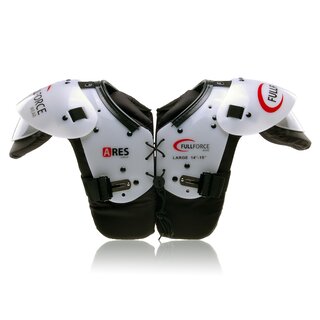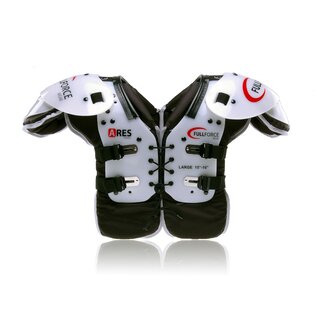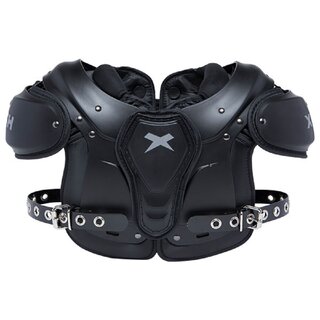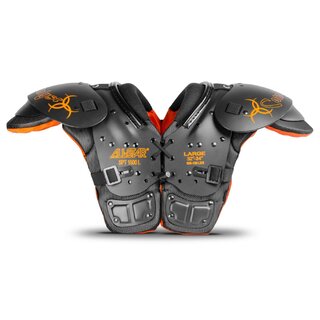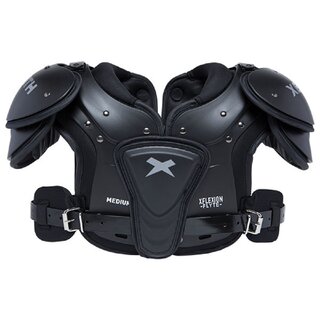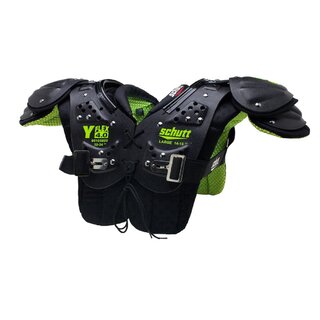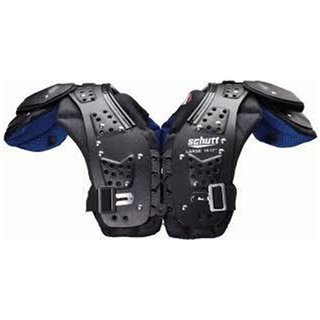


Youth Shoulderpad

Youth shoulder pads should fit securely first: light enough for mobility, but stable enough for contact in practice and games. This category is built for kids and youth players — with models designed around youth sizing and comfort. Browse products right away, or use the quick links below to complete a full youth football setup.

Back to overview: Football Shoulder Pads

Complete your setup: Shoulder Pad Accessories (depending on model/size)

Youth setup – quick links: Youth Helmets & Facemasks · Youth Mouthguards · Youth Football Gloves · Youth Apparel · Youth Accessories

Note: Below the offers you’ll find more information, tips & FAQs about this category – ideal if you’re still unsure which option to choose.


Items 1 - 11 of 11

Youth Shoulder Pads – built for growing players (fit first, always)

Youth football shoulder pads are not “just smaller adult pads”. For kids and teens, the #1 rule is simple: a stable fit beats “growing into it”. When a pad sits right, it can help manage contact better, feels lighter, and lets your player move naturally – which is huge for learning technique and staying confident on the field.

Quick links for your full youth setup: Football Shoulderpads overview  |  Shoulderpad Accessories  |  Kids & Youth Equipment

What a great youth shoulder pad should do

  • Stay locked-in: no sliding, no bouncing, no “pad riding up” when the arms go high.
  • Protect without feeling bulky: enough coverage for shoulders/chest/back while still keeping the player mobile.
  • Allow full arm range: especially important for catching, throwing, and tackling mechanics.
  • Feel comfortable over time: youth players quit gear fast if it pinches the neck or rubs the ribs.
  • Match the role and contact level: practice-only looks different than full-contact game day.

Real talk: Football is a contact sport. No shoulder pad can prevent all injuries – but the right model and the right fit can help your player handle contact more safely and play with better control.

Choose the right cut: position, contact level, and comfort

1) Multiposition youth shoulder pads (the safe “starter pick”)

If your player is new, still changing positions, or needs one pad that can do a bit of everything, a multiposition youth pad is usually the easiest win. You get balanced coverage, solid stability, and a shape that works for many body types.

2) Skill / speed-style youth pads (QB / WR / DB, often also RB)

Skill players live on quick feet and clean arm motion. Here, you want a lower-profile build: lighter feel, narrower cut, and freedom for routes, catches, and throwing. If the pad feels like shoulder “armor”, it’s often too much for a pure speed role.

3) More coverage for contact-heavy roles (LB / OL / DL)

For players who take (and deliver) contact every snap, extra coverage and stability matter. Look for a pad that feels robust and planted on the body – not just “light”. In the trenches, shifting pads become a real problem fast.

4) Youth-friendly systems (compression vest + shell concepts)

Some youth setups use a snug base layer/vest combined with a protective shell concept. The big advantage: a body-close fit that can reduce shifting and feels less “loose” than classic strap-heavy pads. If your player hates pads slipping around, this style can be a game changer.

How to size youth shoulder pads the right way (simple, no guesswork)

Use the size chart in the product details and measure properly. Most youth pads use chest and/or shoulder width as the key reference. Measure with a soft tape, wearing a thin shirt.

Measurement checklist

  • Chest: tape around the widest part of the chest, snug but not tight.
  • Shoulder width (if required): from shoulder tip to shoulder tip (across the back).
  • Neck & jersey clearance: the collar should not press into the throat when the player looks up.

Fit check on the player (30-second test)

  • Arms up: the pad should not slam into the neck or ride up.
  • Hands behind head: no painful pinch points on shoulders or collarbone.
  • Light jog + cut: the pad should stay stable, not bounce like a backpack.
  • Jersey test: jersey should slide over cleanly without the pad feeling “stuck”.

Common youth sizing mistakes (avoid these)

  • Buying too big “to grow into”: a loose pad shifts, opens gaps, and feels heavier in motion.
  • Overtightening to compensate: too much strap tension can cause rubbing and restrict breathing.
  • Ignoring shoulder width: a pad can match the chest but still sit wrong on the shoulders.

Smart upgrades: add protection without going “too bulky”

You don’t always need a bigger shoulder pad to get more protection. Often the smarter move is targeted add-ons that match the player’s contact points and position.

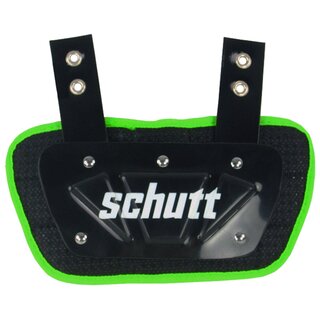
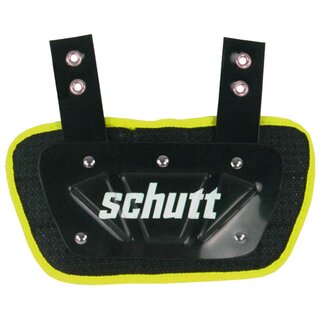
  • Back plates: helpful for players who take hits from behind (RB/LB especially).
  • Rib protection: great if the player often takes side contact.
  • Neck rolls / collars (depending on model/league rules): extra feel of stability for contact-heavy play.
  • Replacement straps & parts: keep the pad game-ready instead of “making do” with worn hardware.

Find the matching add-ons here: Shoulderpad Accessories

Don’t forget the rest of the youth safety basics

A shoulder pad setup works best as part of a complete, well-fitted kit. If you’re building a youth loadout, these categories usually belong on the same checklist:

Care & handling: make youth shoulder pads last longer

Youth pads take a beating: sweat, turf, locker rooms, car rides. A little routine keeps the gear fresher and can extend the life of straps and padding.

After every practice (2 minutes)

  • Air it out fast: open all straps and let it dry in a ventilated spot (not sealed in a bag).
  • Wipe contact areas: a damp cloth + mild soap works for most shells/padding.
  • Check straps & buckles: loose parts are usually the first thing that fails.

Weekly (quick deep-clean)

  • Spot-clean padding: remove detachable parts if the model allows it and follow the care notes.
  • Odor control: let everything fully dry before storing (moisture is the real enemy).
  • Hardware check: screws/attachments for add-ons should stay tight and aligned.

FAQ – shoulder pads for youth & kids

How tight should youth shoulder pads fit?

Snug enough that nothing shifts, but never painful. The pad should sit stable on the shoulders, not ride up, and not restrict arm movement. If it keeps moving or needs constant re-tightening, the size, cut, or setup usually isn’t right.

How do I choose the right size for kids and youth?

Measure chest circumference and shoulder width, then follow the size chart for the exact model. Don’t mix charts between brands/models. If you’re unsure, a quick fit photo (front/side) often helps more than numbers alone.

How can I tell if the pad is too big?

Common signs: wobbling when running, riding up, shoulder caps not centered on the shoulders, or constant strap tightening. Visible “empty space” between pad and body is also a clue.

How can I tell if the pad is too small?

If it pinches, restricts breathing, blocks arms overhead, or caps sit visibly too high. Pain, numbness, or pressure points are clear stop signs.

What’s better: super light or more protection?

For beginners and younger players, a lighter, more mobile pad is often ideal because technique and safe movement come first. As contact level increases (older age groups, tougher drills, more traffic), more coverage can make sense – as long as fit and mobility stay clean.

Skill cut or all-purpose for youth?

Many youth players do well with all-purpose/hybrid cuts because they’re versatile. If your athlete plays very mobile roles (WR/DB/QB), a skill-focused cut can feel better. Fit stability is always the priority.

How can I test the fit at home quickly?

Quick test: arms overhead, throw/catch motion, a few sprints and hard direction changes. If the pad shifts, wobbles, or blocks movement, adjust straps or re-check size/cut and test again.

Do kids need a backplate or rib protection?

Usually not required. If contact level is high or you want targeted coverage, add-ons can help – but compatibility with the exact model is key. Options are here: shoulder pad accessories.

How quickly do youth players “outgrow” shoulder pads?

It depends. During growth spurts, a pad can feel tight within a season. Re-check arm freedom and cap position regularly instead of pushing a too-small pad for too long.

How should I clean and store youth shoulder pads?

Wipe shell and padding with a damp cloth and air-dry completely. Avoid heat (dryer/heater) and don’t store pads damp in a closed bag. That helps reduce odor and protects materials.

When should youth shoulder pads be replaced?

If you see cracks, broken parts, stretched straps, or padding that feels stiff/hardened or badly compressed – or if the pad no longer fits properly. Safety first, especially for growing athletes.

Ready to pick the right youth shoulder pad?

Go for fit + comfort + position match and you’re already ahead of most youth setups. Browse the products above, check the size chart in the product details, and if you’re between sizes: choose the option that keeps the pad stable and mobile – not the one that “might fit next year”.

CTA: Gear up properly and play confident – grab your youth shoulder pads now and complete the setup with matching accessories or jump back to the Kids & Youth Equipment hub.