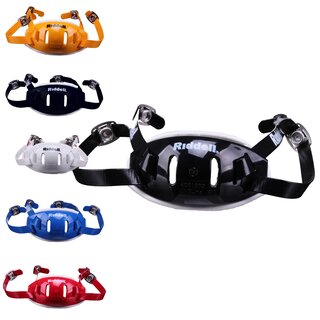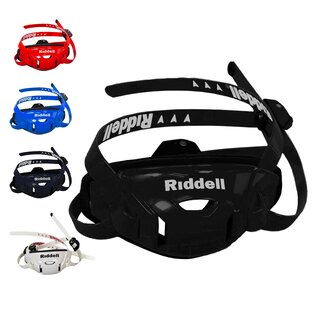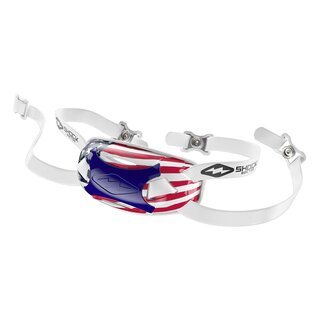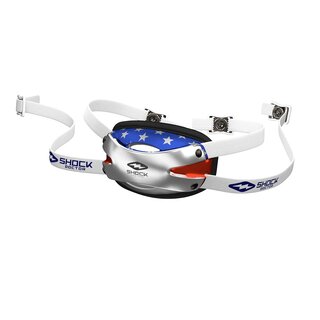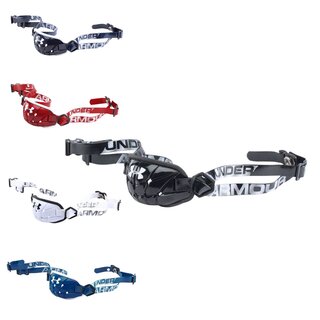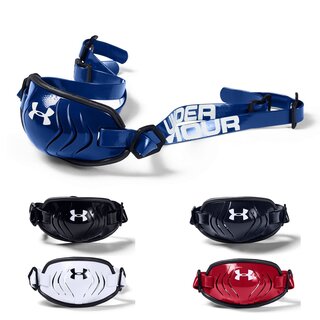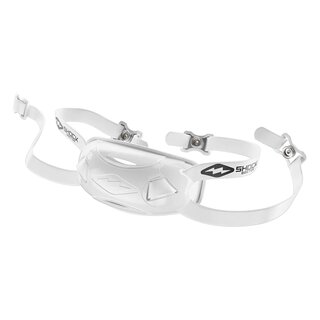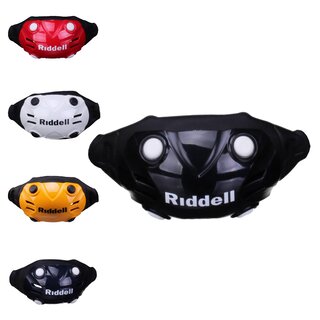


Chinstraps
Football chinstraps – stable helmet fit, fewer distractions
A football chinstrap is a small piece with a big effect: it keeps your helmet stable in contact, reduces wobble, and helps you stay focused instead of constantly adjusting your setup. In this category you’ll find chin straps for different attachment systems (e.g., snap or Cam-Loc), different cup types (hard cup vs. soft cup), and options built for comfort or maximum lock-in. Important: a chinstrap doesn’t fix the wrong helmet size – it locks in a helmet that already fits correctly.
If you play high-contact or want a more structured, locked-in feel, hard cup styles are a popular choice. If you do long sessions or get pressure points, soft cup comfort can be the smarter pick. Either way, always check compatibility with your helmet model and mounting hardware, and adjust the straps evenly for a centered fit.
Quick links: Helmet accessories · Helmets · Eyeshields/visors
Note: Below the offers you’ll find more information, tips & FAQs about this category – ideal if you’re still unsure which option to choose.
Chinstraps for American Football – lock in your helmet fit and stay focused
If your helmet shifts in contact or you keep re-tightening every drive, it’s distracting at best — and can feel unsafe at worst. A solid chinstrap is one of the fastest upgrades for a more “locked-in” helmet feel: less movement, fewer distractions, more focus on the next snap.
Quick links: Helmet accessories | Replacement parts | Eyeshields & visors | Skull caps
Why chinstraps matter (real benefits on the field)
- More stable helmet feel: a better strap setup can reduce shifting during contact and quick direction changes.
- Less re-adjusting: when cup style, attachment and strap length match your helmet, you stop “fixing your helmet” mid-game.
- Better comfort over many reps: the right cup shape spreads pressure more cleanly.
- Cleaner, quieter setup: correct hardware helps prevent wobble and rattling.
Hard cup vs. soft cup – choose for your contact level and comfort
The biggest decision isn’t color — it’s cup style. Both work. The right one depends on how much contact you take and what feel you prefer.
Hard cup – more structure and a “locked-in” contact feel
- More structure at the chin: many players prefer the firm, stable feel.
- Popular for heavy contact: trenches, inside runs, special teams and high-impact weeks.
- Note: heavy sweat can make a hard cup feel slippery — proper strap adjustment, centered cup position and solid hardware usually fix most issues (model-dependent).
Soft cup – comfort-first without feeling “hard”
- Great for long practice weeks: softer feel, often less pressure sensation.
- Still game-ready: plenty of players use soft cups in contact as long as fit and hardware are correct.
- If you hate pressure points: soft cup is often the smart first move before blaming helmet sizing.
Compatibility: the difference between “fits” and “annoys you”
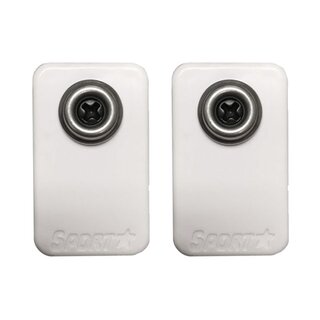
Not every chinstrap fits every helmet system. Before you buy, focus on attachment type and any helmet-specific notes. Some chinstraps are made for standard hook-up systems (mid/high or low), others are designed for special attachment systems (model-dependent).
1) Attachment types: hook-up, buckles, snaps, special systems
- Hook-up (mid/high or low): very common — make sure the chinstrap matches the attachment position on your helmet.
- Snap styles: quick and practical, but still check helmet/clip compatibility.
- Helmet-specific systems: certain chinstraps are made for specific helmet models/attachments — always read the product notes.
2) When in doubt: check hardware first
A lot of “chinstrap problems” are actually hardware problems: worn clips, missing screws, loose attachment points. Before switching straps, inspect your setup and fix the basics via replacement parts.
Fit guide: set your chinstrap like a football player (not like a passenger)
30-second setup check
- Centered cup: the cup should sit in the middle of your chin, not pulled to one side.
- Symmetrical straps: left and right should be adjusted evenly to avoid a tilted helmet feel.
- Secure, not painful: stable fit without numbness or sharp pressure.
- Shake test: move your head — helmet movement should be noticeably reduced.
Quick position logic
- Skill players (QB/WR/DB): comfort + stability is the goal; you still want clean vision and easy breathing.
- Traffic & contact (RB/LB/TE): many players prefer a more structured, locked-in feel.
- Trenches (OL/DL): stable cup + stable hardware pays off because contact happens every snap.
Care & handling – keep your chinstrap game-ready
- Air-dry after every session: don’t trap moisture in a closed gear bag.
- Clean gently: sweat and salt film can stress materials — lukewarm water and mild cleaning is usually enough.
- Inspect regularly: stretched straps, hard/porous cup material, loose attachments = replace early.
- Store smart: don’t crush it under heavy pads — it can twist straps and stress hardware.
FAQ – chinstraps
Do all chinstraps fit all helmets?
No. Check the attachment type (mid/high or low hook-up, snap systems) and any helmet-model notes listed on the product page. Special attachment systems require compatible straps.
Is a soft cup “less safe” than a hard cup?
Not automatically. Many players use soft cups in contact. What matters most is correct adjustment, a stable helmet fit and solid hardware. Hard cups are often chosen for a firmer, more structured feel.
My hard cup slips when I sweat — what should I do?
Start with basics: center the cup, adjust straps evenly, and check hardware. Keep the setup clean and fully dry after sessions. If your hardware is worn, replacement parts can be the real fix.
When should I replace my chinstrap?
When straps stretch out, the cup feels damaged/porous, pressure points increase, or you can’t keep a stable fit even after correct adjustment. Also replace worn clips or loose attachment points.
What’s better than just tightening it harder?
A chinstrap that matches your attachment system and cup preference distributes pressure better and holds more consistently — without over-tightening to the point of discomfort.
Lock it in: choose your chinstrap and complete your helmet setup
Pick hard cup or soft cup based on your contact level, match the attachment type, and make sure your hardware is solid. For the full helmet upgrade kit (visors, skull caps, parts), go here: helmet accessories.