

small and spares parts

Small & spare parts are the quick fix when something is missing, loose or worn: clips, screws, mounts and the little pieces that keep facemasks and accessories stable. If your setup rattles or shifts — start here.

Back to helmet accessories: Helmet accessories

Note: Below the offers you’ll find more information, tips & FAQs about this category – ideal if you’re still unsure which option to choose.


Items 1 - 20 of 22

Football helmet replacement parts – fix your setup instead of “making it work”

A helmet can be top-tier, but if screws are missing, clips are worn, or your facemask starts wobbling, your whole setup feels off. That’s what replacement parts are for: quick, clean fixes to keep your helmet stable, complete, and game-ready — without sketchy improvisation.

Quick links: Helmet accessories  |  Helmets & facemasks  |  Chinstraps  |  Eyeshields & visors

What you’ll find in this category

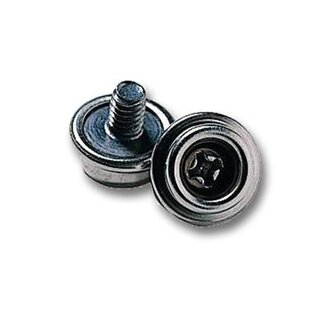
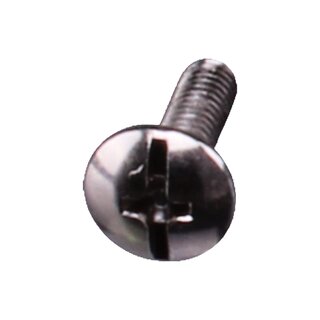
1) Screws, T-nuts, washers & small hardware

These are the true “small parts, big impact” items. If screws are missing or T-nuts don’t bite correctly anymore, your facemask won’t feel solid. Matching hardware brings everything back to a tight, quiet fit.

  • Typical use cases: missing screw, loose facemask, stripped grip, lost parts after practice.
  • Tip: when replacing one part, check the counterpart (screw + T-nut). Often both sides are the reason the setup feels loose.

2) Facemask attachment parts: clips, pins & quick-release components

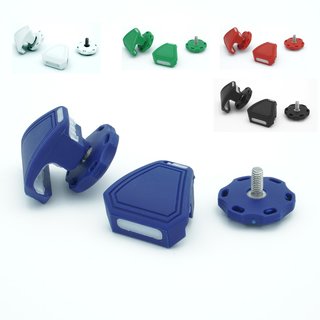
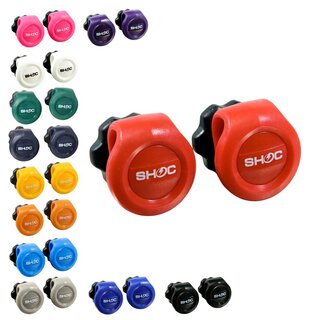
Many helmets use quick-release or model-specific attachment systems. When these parts wear out or go missing, you’ll notice instantly: more play, more noise, less confidence. Replacement components bring the facemask back to “locked-in”.

  • Typical use cases: quick-release feels sloppy, pins don’t seat well, housings/clips are worn, bumpers are damaged.
  • Important: “quick release” is not one universal standard — always match the system your helmet actually uses.

3) Valve caps and small model-specific details

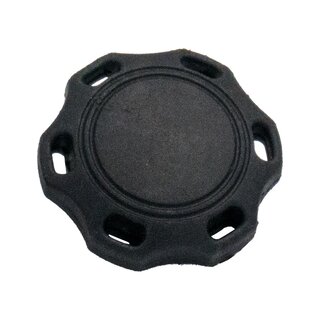
Some helmet models use small valve or cap parts that can get lost easily. It sounds minor — but it’s exactly the kind of detail you don’t want to discover on game day.

  • Typical use cases: cap missing, valve cover lost, you want to make the helmet complete again.

4) Replacement padding & jaw pads: bring back the snug fit

Padding is a wear item. If jaw pads compress over time, your helmet can start feeling looser or uneven. Fresh pads help bring back a stable, comfortable fit — especially on setups where cheek/jaw contact is key to the “locked-in” feel.

  • Typical use cases: helmet suddenly feels looser, uneven cheek pressure, pads look compressed or worn.
  • Real talk: a shifting helmet is often a pad/strap/hardware issue before it’s a “new helmet size” issue.

5) Tools & helpers: do the job clean

Wrong tools = stripped screws and stress. If you work on helmets regularly (team, club, lots of reps), a proper installation tool or multitool is a legit quality-of-life upgrade.

  • Typical use cases: swapping facemasks, handling pins/clips, tightening hardware correctly.

Buying guide: how to pick the right part fast

Step 1: Identify helmet model + attachment system

  • Brand/model: know what helmet you’re running (and the exact version if possible).
  • Attachment type: standard hardware or quick-release? Which pin/clip style?

Step 2: Confirm what’s actually failing

  • Facemask wobble: often clip/pin + screw/T-nut together.
  • Chinstrap doesn’t hold right: check attachment points and hardware before blaming the strap.

Step 3: Check left/right and size where relevant

Some components (like certain jaw pads or housings) can have left/right differences or size options. Use your old part as a reference and compare shape and mounting position.

Step 4: Add 1–2 “spares” for game-day peace

Screws, T-nuts, clips and small pieces love disappearing in grass. A small backup set makes you way calmer on Saturdays.

Weekly mini checklist: keep your helmet game-ready

  • Facemask: tight, no play, no rattling.
  • Hardware: complete set, nothing missing, nothing visibly bent.
  • Chinstrap setup: attachment holds cleanly, strap centered, no worn points.
  • Padding: no compressed spots that change fit.
  • After practice: air the helmet out — moisture is rough on materials and padding.

FAQ – football helmet replacement parts

Will every part fit every helmet?

No. Many parts are model- or system-specific (especially quick-release pieces, jaw pads, and certain hardware). Always match your helmet model and attachment system.

My facemask wobbles — what’s the most common cause?

Worn clips/pins, missing or mismatched screws/T-nuts, or a loose housing. Start by checking if all hardware is complete and properly seated.

When should I replace jaw pads/padding?

When the helmet feels noticeably looser, cheek contact becomes uneven, or pads look compressed/worn. Fresh pads often bring back a better fit immediately.

Can I install replacement parts myself?

Many parts can be installed with the right tool. Work cleanly, use matching hardware, and check stability after mounting. If you’re unsure, ask your team or message us for quick guidance.

Should I just tighten everything harder?

Tightening helps only if parts are still healthy. If clips/screws/T-nuts are worn, over-tightening is a short-term fix at best — replacement is the clean solution.

What spare parts are smart to keep in your bag?

A few screws/T-nuts, the relevant clips/pins for your attachment system, and a small tool. Those are the classic “game-day save” items.

Get your helmet back to locked-in

Pick the parts that match your helmet system, eliminate wobble, and bring back that stable, confident feel. For the full helmet setup overview (chinstraps, visors, skull caps and more), go here: helmet accessories.