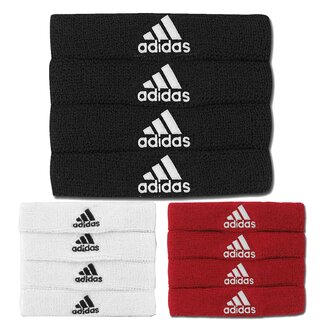
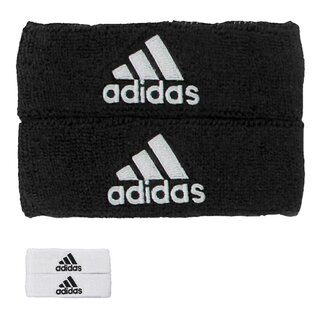
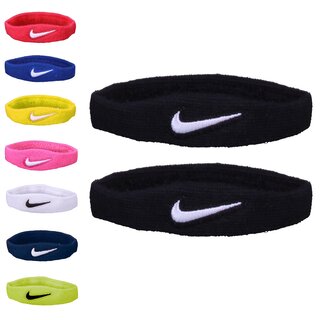
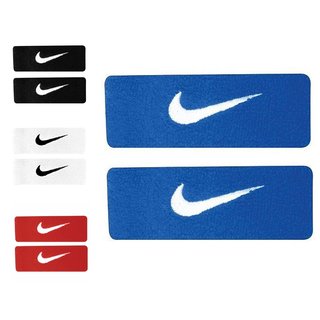
bicep band


Items 1 - 4 of 4

Bicep Bands & Sweatbands – Style, Statement & Function on the Field

On this page you’ll find bicep bands and sweatbands for American football – the tight bands on your upper arm or wrist you see on so many college and pro players. They are more than just decoration: bicep bands help manage sweat, keep sleeves in place and add a strong personal style to your game.

Whether you prefer a clean, minimal look, bright colors or perfect team matching – the right bands let you make a statement without restricting your movement.

What Bicep Bands & Sweatbands Actually Do

These bands do not just look good – they have real on-field benefits:

  • Sweat control: Sweatbands help keep sweat away from your hands and face, which is especially useful in heat or when you play with a visor.
  • Fixing loose sleeves: Bicep bands can tighten up wide jersey sleeves so nothing flaps around and your silhouette stays clean.
  • Visual upgrade: Bands on your biceps or wrists give you a professional game-day look.
  • Team identity: Perfect for showing team colors, logos or brand style and stepping on the field as a matching unit.

Who Bicep Bands & Sweatbands Are For

They make sense for basically every position, especially if you:

  • Play a skill position (WR, DB, RB, QB) and care about a sharp, athletic look.
  • Handle the ball a lot and don’t want sweat running into your gloves or onto the ball.
  • Want your jersey sleeves tighter without buying a new jersey.
  • Want a unified team look with matching colors or designs for you and your teammates.

Linemen also use bicep bands to keep sleeves under control and to look locked in at the line of scrimmage.

Typical Use Cases

You can use bicep bands and sweatbands in many situations:

  • Game day: The final detail in your outfit, matching gloves, cleats and other accessories.
  • Practice & scrimmage: Keep sleeves and sweat under control in day-to-day training.
  • Camps & combines: When you want to stand out in a positive way at tryouts.
  • Gym & off-season: Sweatbands work just as well for lifting sessions and conditioning work.

Fit & Feel

To make sure bands don’t become annoying, they should:

  • Fit snug, not painful: Tight enough to stay in place but not so tight that they cut off circulation.
  • Be elastic and keep their shape: So they fit in warm-ups and still sit right in the fourth quarter.
  • Stay in place: No sliding down during sprints, blocks or tackles.
  • Match your arm length and size: Choose width and position so they look good and work for you.

Materials & Designs

Bicep bands and sweatbands are usually made from:

  • Elastic knit or stretch fabric: For a secure fit and comfortable feel on the skin.
  • Moisture-absorbing yarns: To soak up sweat instead of letting it run down your arms.
  • Different colors and logos: From simple solid colors to bright designs, team colors and brand logos.

You decide if your bands are more of a low-key functional piece or a clearly visible style element in your setup.

Care & Durability

To keep your bands looking fresh:

  • Wash regularly: Rinse after intense sessions or wash in the machine according to the care label.
  • Air-dry: High tumble-dryer heat can damage elasticity and shape over time.
  • Avoid harsh detergents: Bleach and aggressive cleaners can destroy colors and fibers.
  • Watch for stretching: If bands are worn out and start slipping, it’s time for a new pair.

FAQ – Bicep Bands & Sweatbands in Football

Are bicep bands just for looks?

No. Even though the look is a big part of the hype, they also help tighten sleeves and give you a more defined fit. The style is the bonus on top.

Can I wear bicep bands in any league?

In most leagues yes, as long as there are no banned messages or reflective elements on them. If you’re unsure, check with your coach or league rules.

How many bands should I wear?

That’s personal preference: some players wear one band per arm, others stack two bands or combine them with wrist sweatbands. The main point is that they should not restrict your movement.

Is there a difference between a bicep band and a sweatband?

Roughly speaking: Bicep bands sit higher on the arm (often slimmer and more focused on style/fixing sleeves), while sweatbands usually sit on the wrist or lower arm and focus on absorbing sweat. Many players use both together.

With bicep bands and sweatbands you combine function and style – better control over sweat and sleeves plus a look that fits your game. Check out the bands on this page and pick the versions that best match your setup, your team colors and your playing style.