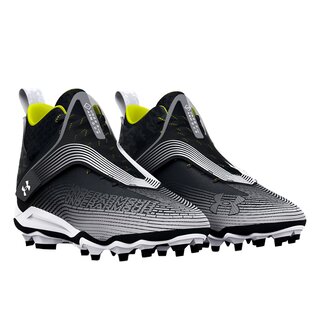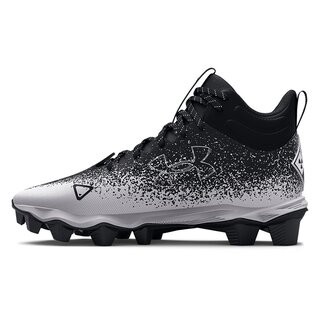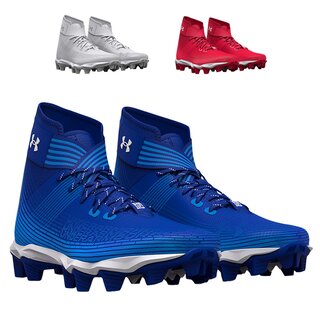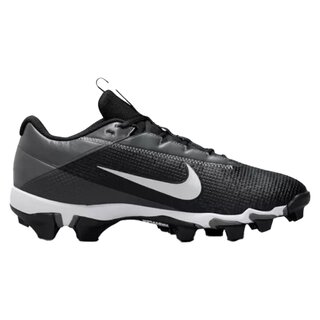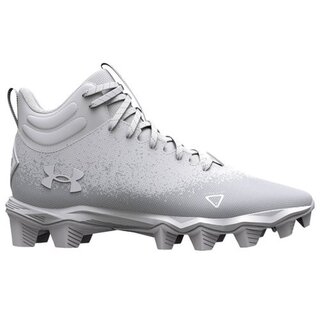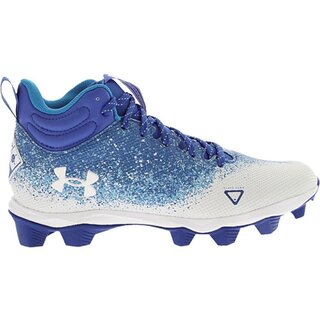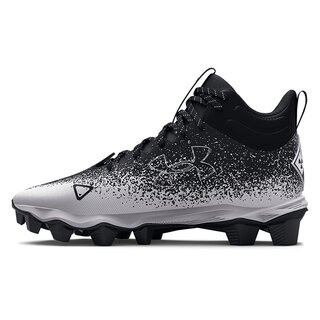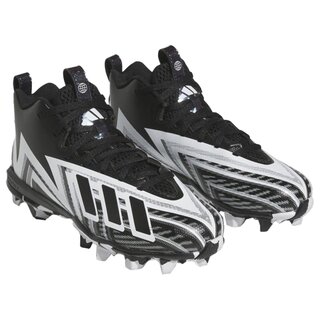


All Terrain Shoes, Boots
All-Terrain Football Shoes – One Pair for (Almost) Every Field
On this page you’ll find all our all-terrain football shoes – cleats designed to give you reliable traction on different surfaces. Whether you play on natural grass, modern artificial turf or harder ground, all-terrain shoes are a smart choice if you don’t want a separate pair of cleats for every field.
Instead of choosing between classic firm-ground cleats and turf shoes, all-terrain models use a hybrid outsole that balances grip, traction and comfort across changing field conditions.
What Makes All-Terrain Football Shoes Special
All-terrain cleats are true all-rounders. Typical features include:
- Hybrid stud pattern: Shorter, strategically placed studs or nubs that give you bite on natural grass but don’t feel too aggressive on turf or harder surfaces.
- Optimized pressure distribution: The sole is designed to spread out pressure, so it doesn’t feel like you are walking on spikes every step.
- Versatile outsole: Built for training and games on different fields – perfect if your team plays at different venues or you train on multiple surfaces.
- Stable support: Lateral stability for sharp cuts, quick changes of direction and stop-and-go moves.
That makes all-terrain shoes ideal if you move around a lot or your club uses more than one type of field.
Who All-Terrain Cleats Are Ideal For
All-terrain football shoes are especially useful if you don’t always play on the same surface:
- Clubs with multiple fields: Training on turf, home games on natural grass, away games on mixed or older surfaces.
- Players with only one pair of cleats: You want one pair that works “everywhere” reasonably well.
- Special teams & skill positions: You need grip for fast acceleration and cuts, but not ultra-long studs.
- Everyday training: One shoe for regular team practice, off-season workouts and casual sessions.
If you switch often between grass and turf, all-terrain shoes are usually more practical than a very specialized model for just one surface.
All-Terrain vs. Classic Grass or Turf Shoes
Each type of shoe has its strengths – all-terrain sits in the middle:
- Pure FG / grass cleats: Longer studs with top grip on soft natural grass, but often too aggressive or uncomfortable on hard ground or turf.
- Turf shoes: Many small nubs, great on artificial turf or hard surfaces, but with less bite on wet or deep natural grass.
- All-terrain shoes: Hybrid sole that still grips on grass, but feels much more comfortable and controlled than long studs on turf and firmer fields.
If you know you always play on the same surface, a specialized shoe can be best. As soon as you switch fields regularly, all-terrain cleats start to shine.
Fit & Sizing – How All-Terrain Shoes Should Feel
As with any football cleat, performance starts with the right fit:
- Length: You should have a tiny bit of space at the front, so your toes don’t hit the end, but not the loose “sneaker feeling” with lots of room.
- Width: The shoe should wrap the foot firmly without creating painful pressure on the sides.
- Heel lockdown: Your heel should not lift when you sprint – otherwise you lose stability.
- Test with game socks: Always try cleats on with the socks you wear in training and games.
Properly fitted all-terrain shoes feel secure but not restrictive – you control every step without blisters or hot spots.
Typical Use Cases for All-Terrain Football Shoes
These are situations where all-terrain models really make sense:
- Changing training locations: One week on natural grass, next week on artificial turf, sometimes on a harder pitch.
- Scrimmages & camps: Different fields over one weekend – one pair of shoes that works everywhere.
- Rain games on “okay” grass: Not completely muddy, but not rock-hard either – a hybrid sole is often a great match.
- Off-season training: One versatile pair for individual drills, team sessions and running workouts.
Care Tips for All-Terrain Cleats
With a bit of care, you get maximum grip and durability:
- Clean after use: Remove dirt, grass and rubber pellets after practice or games.
- Air dry: Do not put cleats on a heater – let them dry at room temperature.
- Air out insoles: Take insoles out from time to time so everything dries properly.
- Check the sole: Once the stud pattern is badly worn down, grip drops – time for a new pair.
All-Terrain Football Shoes – Frequently Asked Questions
Can I play on every surface with all-terrain shoes?
All-terrain cleats are built for many surfaces, but not every extreme. On very deep, muddy grass, long studs can still be better, and for indoor courts, a flat indoor shoe is the safer choice.
Are all-terrain shoes better than specialized grass cleats?
They are more versatile, but not automatically “better” in every situation. If you almost always play on natural grass, a classic FG cleat can be the top option. If you switch fields often, all-terrain shoes are usually the more practical choice.
Are all-terrain shoes good for artificial turf?
Yes, many all-terrain models work very well on turf, especially if the sole has a lower, more spread-out stud pattern or nubs. Always check the manufacturer’s recommendation and how the shoe feels when you run.
How many pairs of shoes does a player really need?
Many players do just fine with one good all-terrain pair. Players at a very high level or in special conditions often add a second, more specialized pair later.
All-terrain football shoes are a practical all-round solution for players who move between different fields and don’t want to switch cleats all the time. Check out all all-terrain models on this page and pick the pair that best matches your surfaces, playing style and training routine.